What Separates Elite Florida Water Polo Players
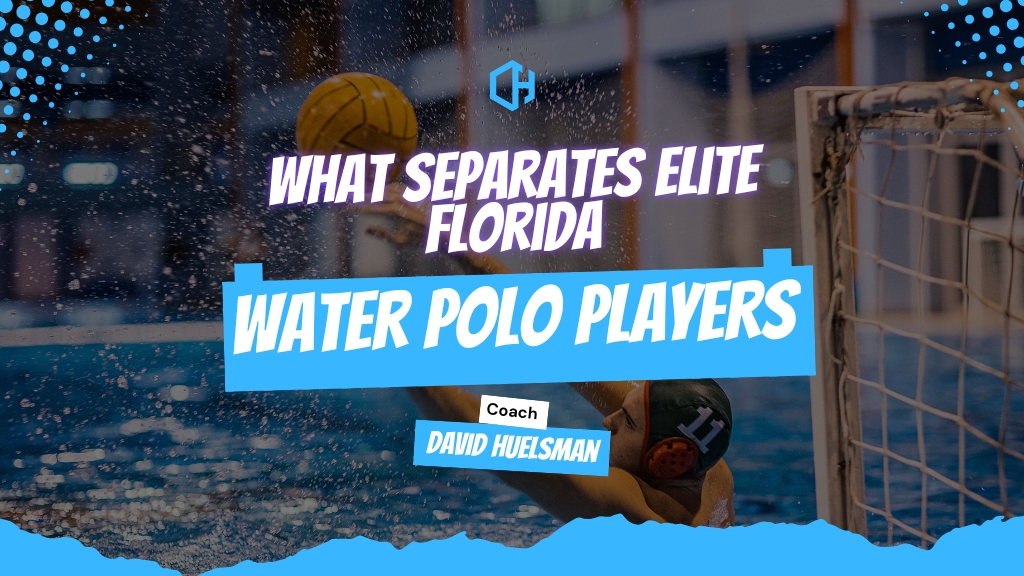
Florida’s water polo scene has evolved rapidly over the last few years. In places like Gainesville, where athletes now have greater access to year-round training and competitive development, the overall level of play has become noticeably more advanced.
But as the sport grows, something else becomes clear: physical talent alone no longer separates elite players from everyone else.
At younger levels, speed, and conditioning can dominate matches. Stronger athletes frequently control the pace simply because they can out swim opponents or recover faster between possessions. But at higher levels of competition, especially in advanced Florida programs, those advantages begin to narrow.
That’s where a different set of qualities starts to matter.
According to David Huelsman, the athletes who continue progressing long-term are usually the ones who develop awareness, adaptability, and tactical discipline early in their development, not just physical output.
Elite Players Process the Game Differently
One of the biggest differences between average and elite water polo players is processing speed.
Top athletes don’t simply react to what’s happening in front of them. They track movement before it fully develops. These players recognize spacing changes earlier, identify defensive weaknesses faster, and adjust their positioning instinctively.
This creates an advantage that often looks effortless from the outside.
Coach Huelsman frequently emphasizes that elite performance in water polo is heavily tied to cognitive efficiency. The best players conserve energy not because they move less, but because they move with purpose. Every adjustment in the water has intention behind it.
That level of awareness becomes particularly important in Florida’s faster-paced competitive environment, where athletes are exposed to more year-round competition than many players in seasonal regions.
Why Swimming Technique Still Matters at the Highest Level
One of the most overlooked aspects of elite water polo development is swimming efficiency.
Many athletes focus heavily on tactical systems while underestimating how movement mechanics influence decision-making. But poor body control in the water creates constant energy loss. Over time, that fatigue affects awareness, reaction time, and composure under pressure.
This is why advanced development systems continue showcasing high-level swimming foundations long before athletes fully specialize. Programs connected to private swim coaching in Gainesville increasingly focus on movement efficiency, balance, recovery mechanics, and controlled body positioning—not just speed.
Athletes who develop these skills early tend to transition into higher-level tactical play much more naturally. They spend less mental energy managing movement and more energy processing the game itself.
Mr. Huelsman has consistently maintained this connection throughout athlete development. Technical swimming is not separate from water polo intelligence—it directly supports it.
Elite Athletes Handle Chaos Better
Water polo is one of the few sports where athletes must constantly make decisions while physically unstable. Players are processing movement, contact, spacing, fatigue, and tactical pressure simultaneously.
Elite athletes separate themselves through composure.
When defensive structures collapse unexpectedly or offensive timing breaks down, experienced players stay organized mentally. They don’t panic when the original plan disappears. Instead, they adapt quickly and continue reading the game clearly.
This adaptability has become a defining characteristic of modern Florida water polo. Programs associated with Gator Water Polo increasingly prioritize situational awareness and game-based decision-making rather than relying primarily on repetitive drills.
The goal is no longer just creating hard-working athletes. It’s developing athletes who remain effective when conditions become unpredictable.
Tactical Discipline Is Becoming More Important Than Intensity
There was a time when constant aggression could overwhelm less organized teams. But modern Florida water polo is becoming far more tactical.
Elite teams understand when to accelerate and when to stay patient. They observe that intelligent positioning often creates better outcomes than reckless movement.
This tactical discipline shows up in small details:
- controlled defensive spacing
- efficient transitions
- selective pressing
- smarter off-ball movement
- timing-based offensive execution
These details rarely receive attention from casual observers, but they consistently shape high-level matches.
Coach Huelsman’s development philosophy reflects this modern direction. Instead of prioritizing nonstop intensity, the focus increasingly shifts toward intentional movement, awareness, and successful decision-making under pressure.
Similar Read: Why Smart Play Defines Florida Water Polo Success
Why Gainesville Is Becoming a Strong Development Environment
Gainesville has quietly become an important environment for aquatic athlete development. The combination of year-round training opportunities, expanding coaching resources, and increasing competitive exposure has allowed athletes to develop more consistently over time.
But access alone doesn’t create elite players.
The real difference comes from developmental structure. Athletes improve faster when training environments address long-term growth rather than short-term performance.
This includes:
- movement quality before excessive workload
- awareness before over-specialization
- tactical understanding before system memorization
That developmental balance is becoming increasingly indispensable as Florida water polo continues maturing competitively.
The Real Difference Between Good and Elite Players
At advanced levels, nearly every athlete trains hard. Nearly every athlete conditions well.
The true separation happens somewhere deeper.
Elite Florida water polo players process information faster, recover mentally quicker after mistakes, and maintain composure in unstable situations. They understand spacing, timing, and movement at a level that allows the game to slow down mentally, even when it speeds up physically.
And increasingly, that is what modern player development is rewarding.
- Not just effort.
- Not just physical talent.
- But intelligent execution under pressure.
That’s the direction Florida water polo is moving toward—and it’s the reason athletes who develop awareness early consistently continue rising long after others plateau.